
A deck can be a great addition to any home, providing a space for outdoor entertainment, relaxation, and even gardening. It serves as a bridge between your indoor comfort and the beauty of the outdoors, significantly increasing your home’s usable square footage. When considering a deck, one of the most important decisions you’ll need to make is whether to go with a composite or wood material. Both have their advantages and disadvantages, and the right choice for you will depend on your personal preferences, budget, and lifestyle. In this article, we’ll explore the pros and cons of composite and wood decks so you can make an informed decision.
Composite Decking: A Low-Maintenance Option
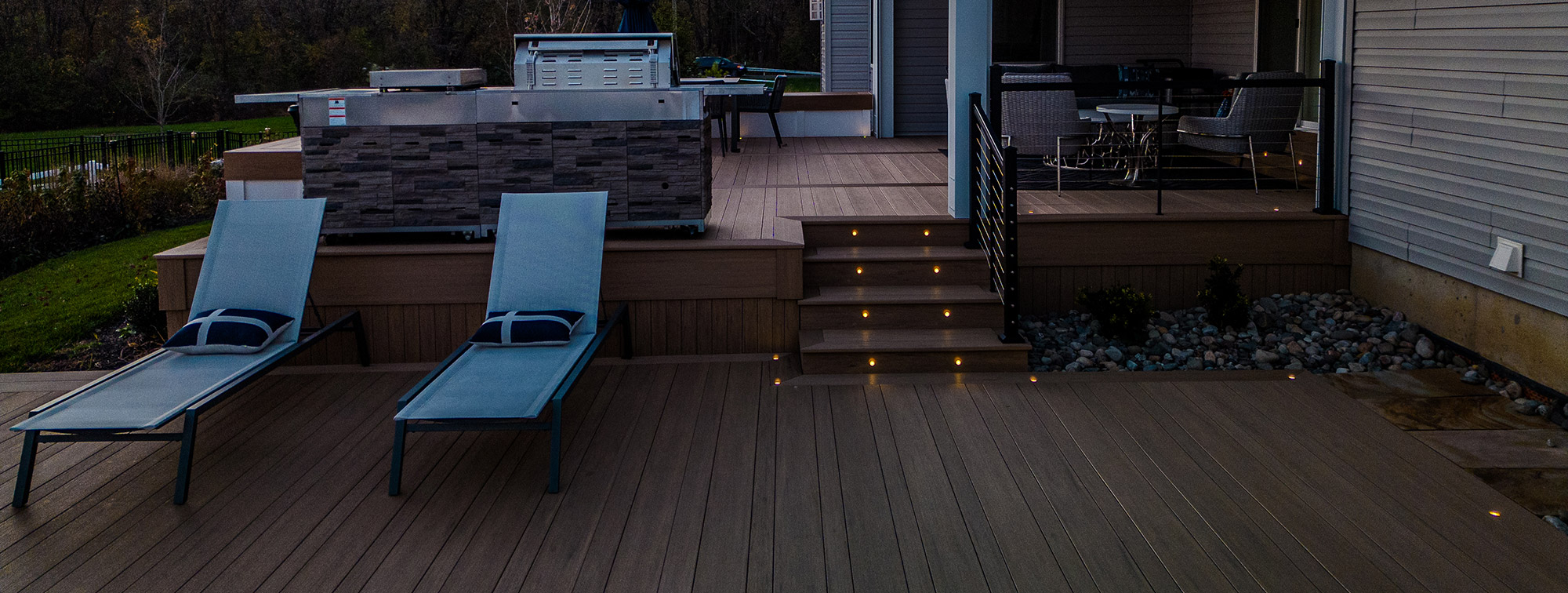
Composite decking is made from a combination of wood fibers and plastic, creating a material that looks like wood but is more durable and easier to maintain. Composite decking is resistant to rot, insects, and fading, making it a popular choice for those who want a low-maintenance deck. Because the boards are engineered, you don’t have to worry about the typical defects found in lumber, such as knots, shakes, or pitch pockets.Additionally, composite decking is available in a wide range of colors, so you can achieve the look you want without the hassle of staining or painting. Modern high-performance composites even feature “cap” layers that provide enhanced scratch and stain resistance, ensuring the surface stays beautiful even after years of heavy foot traffic.
Wood Decking: A Classic Look with Maintenance Requirements
Wood decking is a classic choice for deck builders in Ambler, PA, providing a natural and warm look that is hard to replicate with other materials. Wood is also a renewable resource, making it an eco-friendly option for those who are concerned about the environment. However, wood decking requires more maintenance than composite decking, as it is susceptible to rot, insects, and weather damage. Regular staining, sealing, and cleaning are necessary to keep a wood deck looking its best. While species like Ipe or Cedar offer natural resistance to the elements, they still require a commitment to annual or biennial upkeep to prevent the wood from turning a weathered gray color.
Cost Comparison
When it comes to cost, composite decking is generally more expensive than wood decking upfront. However, over time, the maintenance costs of wood decking can add up, making composite decking a more cost-effective option in the long run. When you factor in the price of high-quality stains, power washing rentals, and the value of your own time spent laboring over the boards every two years, the “price gap” between wood and composite often disappears within the first five to seven years of ownership. Additionally, composite decking has a longer lifespan than wood decking, so you won’t need to replace it as often.
The financial benefit of composite also extends to your home’s resale value. In many real estate markets, a well-maintained composite deck is viewed as a “permanent” feature, similar to a stone patio, which can yield a higher return on investment (ROI) compared to an aging wood deck that may require a “concession” or repair credit during a home sale. Furthermore, because composite manufacturers often back their products with 25- to 50-year warranties against fading and staining, you are essentially pre-paying for a deck that will remain in showroom condition without the unpredictable costs of lumber replacement or structural repairs due to rot. When you look at the total cost of ownership over 20 years, composite is not just a luxury choice, it is a fiscally responsible one for homeowners who plan to stay in their residence and enjoy their outdoor space without an annual hit to their maintenance budget.
Durability
Composite decking is more durable than wood decking, as it is resistant to rot, insects, and weather damage. Additionally, composite decking is less likely to crack or splinter, making it a safer option for children and pets. This “barefoot friendly” quality is a major selling point for families who want to enjoy their outdoor space without the fear of painful splinters. Wood decking, on the other hand, requires regular maintenance to prevent rot and insect damage. If not properly maintained, wood decking can start to warp, crack, or splinter, making it a hazard for those using the deck.
Furthermore, the engineering behind modern composite boards allows them to withstand the extreme temperature swings common in the Northeast. While natural wood fibers expand and contract significantly, often leading to loosened screws and “cupped” boards that hold stagnant water, composite materials are designed to maintain their structural shape. This resilience means your deck remains level and stable, preventing the development of uneven surfaces that can become tripping hazards over time. By choosing a material that resists the structural degradation caused by ice, snow, and intense summer sun, you are investing in a deck that remains structurally sound and visually pristine for decades, rather than just years.
Environmental Impact
Composite decking is not as environmentally friendly as wood decking, as it is made from a combination of plastic and wood fibers. Additionally, the manufacturing process for composite decking requires a significant amount of energy and resources. However, many leading brands now use up to 95% recycled content, diverting millions of pounds of plastic film and reclaimed wood from landfills every year. Wood decking, on the other hand, is a renewable resource and can be sustainably harvested. If you’re concerned about the environment, choosing sustainably harvested wood decking may be a better option.
It is also worth considering the “life-cycle” impact of your choice. While wood is a natural product, the frequent application of chemical stains, sealers, and strippers required to maintain it can have its own ecological footprint. In contrast, the high-performance shell of a composite board eliminates the need for these harsh seasonal treatments, preventing chemical runoff into your garden or local groundwater. Furthermore, because composite decks often last two to three times longer than traditional pressure-treated wood structures, they require fewer replacements over the decades. This longevity means less demand for new raw materials and a lower frequency of old, treated lumber ending up in the waste stream. Ultimately, whether you prioritize the immediate sustainability of natural timber or the long-term waste reduction of recycled synthetics, both materials offer pathways to an eco-conscious backyard.
Aesthetics
When it comes to aesthetics, both composite and wood decking have their advantages. Composite decking is available in a wide range of colors and textures, so you can achieve the look you want without the hassle of staining or painting. Newer “variegated” color technology mimics the natural streaking and grain patterns of exotic hardwoods, providing a high-end look that is remarkably realistic. However, some people prefer the natural look of wood decking and the unique patterns and variations that come with it. Ultimately, the choice between composite and wood decking will depend on your personal preferences.
To truly bridge the gap between these two options, many homeowners now look for “perceived depth” in their decking surfaces. Professional installers can use different board widths or contrasting “picture frame” borders to highlight the aesthetic strengths of either material. For instance, using a dark “espresso” composite border around a lighter “teak” main deck area creates a sophisticated, rug-like effect that draws the eye and defines the space. Additionally, while wood offers a classic warmth, composite materials provide a level of color consistency that wood cannot match; if you choose a specific shade of gray or mahogany today, you can be confident that a replacement board or an addition ten years from now will match perfectly, rather than standing out against weathered, faded lumber. This long-term visual reliability is often the deciding factor for those who want their outdoor oasis to look just as stunning on day 3,000 as it did on day one
Conclusion
Choosing between composite and wood decking can be a tough decision, but understanding the pros and cons of each material can help you make an informed choice. Composite decking is a low-maintenance option that is more durable than wood decking, but it is more expensive upfront. Wood decking provides a classic and warm look, but it requires more maintenance and is less durable than composite decking. Ultimately, the right choice for you will depend on your personal preferences, budget, and lifestyle. A professional Hatboro deck company can also provide advice on what will work best for your home and needs.
Looking for a reliable and trustworthy general contractor in Philadelphia? Look no further than Expert General Contracting! With over 17 years of experience, our skilled team is fully licensed and insured to provide excellent customer service and project planning assistance for all your commercial and residential improvement needs. Don’t settle for less, choose Expert General Contracting for your next project!
Blog Updated February 10, 2026