
Small yards present a unique challenge for homeowners dreaming of outdoor entertaining spaces. Without room for sprawling patios or expansive decks, every square foot must count. This is where built-in seating transforms a tight space into a functional, stylish outdoor room.
Built-in seating isn’t just practical, it’s a game-changer for small-yard design. Unlike traditional furniture that consumes valuable deck space, built-in benches and seating solutions integrate seamlessly into your deck structure, maximizing usable area while creating defined gathering spots. At The Deck Expert, we’ll walk you through everything you need to know about designing a deck with built-in seating, from layout strategies to material selection to maximizing comfort in minimal space.
Why Built-in Seating Works for Small Yards
Before diving into design specifics, it’s worth understanding why built-in seating is so effective for compact spaces. Built-in seating can transform a small yard by saving space and creating a cohesive, intentional look. Deck builders in Ambler, PA, can help design and install seating that integrates seamlessly with your deck and landscape.
Space Efficiency
When you allow for comfortable clearance around it, a typical outdoor dining chair or lounge chair takes up about 30 to 40 square feet. You’ve taken up 120 to 160 square feet, which is a substantial portion of a small deck, when you multiply that by four chairs. This waste is eliminated by built-in seating, which serves two purposes: it is both structural (as part of the deck railings, edges, or stairs) and functional (as seating). Open deck space is maintained while seating is provided.
Visual Flow
Built-in seating creates a cohesive, intentional look that makes small spaces feel more deliberately designed rather than cramped. A custom-built bench that wraps a corner or lines a railing feels like part of the landscape, creating visual continuity that scattered furniture disrupts.
Year-Round Durability
Built-in seating constructed from quality deck materials (like composite or pressure-treated lumber) withstands Pennsylvania’s weather without the maintenance headaches of furniture cushions and metal frames. You get a finished look that ages gracefully with your deck.
Flexibility for Entertaining
Built-in seating creates natural gathering zones. A bench around a table becomes an intimate dining spot. Seating integrated into a deck’s perimeter creates defined socializing areas without requiring furniture rearrangement. This flexibility is invaluable when hosting in a limited space.
Layout Strategies for Built-in Seating
Successful small-yard deck design starts with smart layout planning. Here are proven strategies that work regardless of your space size.
| Design Type | Description | Best For | Key Benefits |
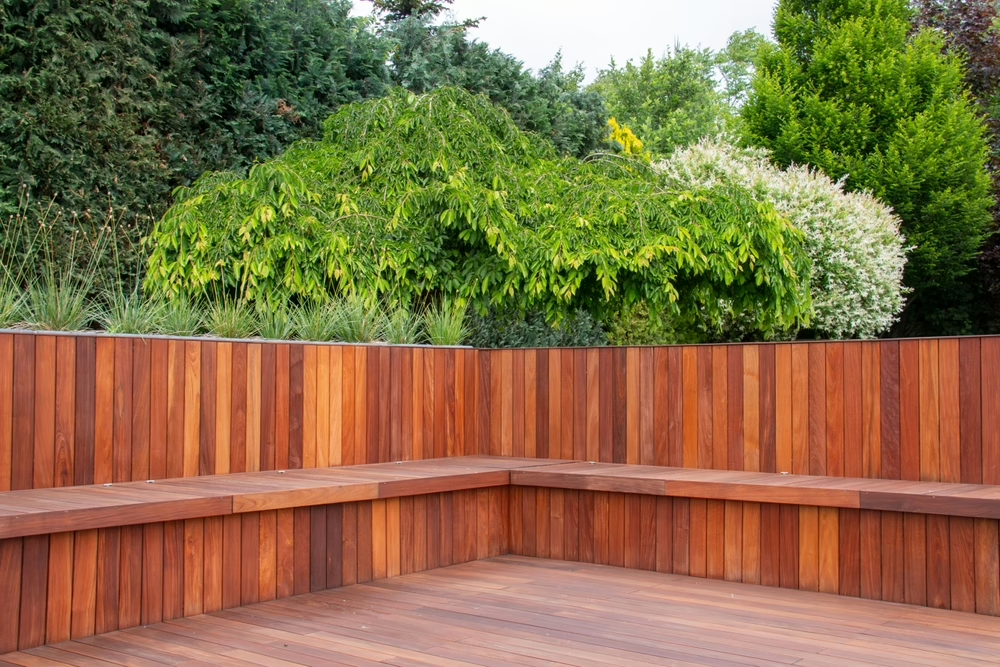
| Corner Bench | Built-in seating wrapping around a deck corner, about 16–18″ deep and 8–12′ long on two sides. Seats 4–6 people while saving space. | 12×12 decks | Maximizes seating and keeps the center open. |
| Deck Edge Seating | Bench built into the deck’s outer edge, doubling as a railing. Usually 16–18″ tall. | Rectangular decks | Saves space and offers yard-facing views. |
| Stair-Integrated Seating | Wider treads (12–14″) turn stairs into casual seating for guests or kids. | Multi-level decks | Adds informal seating with no extra build. |
| L-Shaped Layout | Built-in benches on two sides form a sectional-style setup. | 200 sq. ft. decks | Seats 6–8 people while keeping flow open. |
| Tiered Seating | Uses slopes or raised platforms for terraced, layered seating. | Sloped yards | Adds dimension and fits larger groups. |
Material Selection for Built-in Seating
The material you choose for built-in seating affects durability, comfort, maintenance, and aesthetics. Your options include several attractive and practical choices.
Composite Decking Materials
- Popular brands include Trex, TimberTech, and similar composites.
- Match your deck surface for a seamless, modern look.
- Low-maintenance and resistant to rot, splintering, and weather damage.
- Stays cooler than bare wood in the summer sun.
- Higher upfront cost, but long lifespan and minimal upkeep make them a solid investment for humid climates.
Pressure-Treated Lumber
- A budget-friendly option with a natural, rustic charm.
- Requires regular sealing or staining to maintain its look and prevent weathering.
- Warmer underfoot than composite materials.
- Position the grain lengthwise to reduce checking and splintering.
- Adding a finish or stain improves both comfort and durability.
Hardwoods
- Premium choices like Ipe or Cumaru deliver unmatched strength and beauty.
- Naturally resistant to rot, insects, and moisture.
- It can age to a silver-gray patina or be stained for a rich finish.
- Higher price point, but ideal for long-term, high-end deck projects.
Hybrid Approaches
- Combine materials to balance cost and style.
- Examples include composite decking with pressure-treated framing, or composite seating with stone or metal accents.
- Adds visual interest and design flexibility while managing your budget.
Design Integration With Dining and Entertaining
Built-in seating reaches its full potential when thoughtfully integrated with dining and entertaining zones.
Built-In Benches and Dining Tables
A dining table surrounded by built-in benches on two or three sides maximizes seating in minimal footprint. A 4×6-foot table with benches on three sides provides seating for six to eight people while consuming only the space that the table actually occupies. Compare this to placing a table with individual chairs around it; the total footprint is much larger because chairs require clearance space around them.
For small yards, this efficiency is transformative. You get full dining capacity without the space tax of scattered furniture.
Conversation Clusters
Built-in seating arranged in L-shapes or U-shapes creates natural conversation areas where people naturally turn inward toward each other. These intimate clusters feel more comfortable than facing each other across scattered furniture.
Tiered Entertainment Zones
For very small yards, create subtle elevation changes where some seating is slightly raised. This draws eyes upward, making the space feel more expansive, while providing a comfortable social hierarchy (some people watching, others actively engaged).
Measure Twice, Design Once:
- Measure your yard multiple times, accounting for trees, utility lines, property boundaries, and shade patterns.
- Mark the deck and seating dimensions with chalk or string and test the space at different times of day to find potential challenges and opportunities for design.
Maximize Multifunctionality:
- Make sure every element serves multiple purposes: steps as risers and seating, railings for safety and comfort, and benches for dining and lounging.
- Layering functions makes small spaces feel larger and more efficient.
Use Vertical Space:
- Incorporate pergolas, trellises, or shade structures to draw the eye upward.
- Combine overhead structures with built-in seating below to create the feel of a defined outdoor “room.”
Avoid Visual Clutter:
- Furniture sprawl is reduced with built-in seating.
- To create an open feeling, use a consistent stain color, a simple material palette, and few decorative accents.
Consider Sight Lines:
- Seating should be arranged to minimize obstacles and enhance vantage points and natural light.
- To keep the deck feeling less enclosed and to keep a visual connection with the yard, use open or transparent railings.
Real-World Example: Transforming a 150-Square-Foot Yard
Consider a typical rowhouse backyard: roughly 15 feet wide and 20 feet deep. Many homeowners think this space is too small for a proper entertaining deck. But with thoughtfully built-in seating design, it’s entirely workable.
A 12×12-foot deck could include: corner benches on two adjacent sides (seating for five to six people), a small dining table in the center, and enough open space for movement and shade from a pergola overhead. Total seating capacity matches what you’d need for casual entertaining. Central space feels open rather than cramped because seating integrates into the structure rather than sprawling across the surface.
Total investment is reasonable because the deck itself is modest in size, and built-in seating costs less than furnishing the space with quality outdoor furniture.
Materials and Durability in the Pennsylvania Climate
Significant seasonal variation, hot, muggy summers, freezing winters, spring rains, and fall leaf debris are all common in Pennsylvania. For a durable and stylish addition to your backyard, a granite fire pit in Doylestown, PA, withstands Pennsylvania’s seasonal extremes while providing a long-lasting focal point for outdoor gatherings.
In these circumstances, composite materials perform exceptionally well. They handle freeze-thaw cycles better than treated wood, don’t fade as much in summer sun, and don’t rot from winter moisture. Choose high-quality pressure-treated lumber that is rated for ground contact if you decide to use wood, and schedule resealing every two to three years.
Select weather-resistant outdoor-grade fabrics that are rated for moisture and UV resistance for cushions and soft elements. To prolong the life of cushions, store them in the winter or cover them.
Planning Your Built-In Seating Deck
If you’re ready to design a small-yard deck with built-in seating, here’s the process:
- Identify your primary deck use: dining, lounging, entertaining, or a combination.
- Measure your yard carefully, noting sun and shade patterns throughout the day.
- Sketch rough layouts and experiment with different seating configurations.
- Consult local building codes for deck size, railing, and setback requirements.
- Work with a professional to refine your design, ensuring structural integrity and comfort.
- Finalize material choices based on budget, maintenance tolerance, and aesthetic preferences.
This planning expenditure means that your completed deck satisfies your actual needs and avoids expensive redesigns.
Why Professional Design Matters
Aesthetic cohesiveness, ergonomic comfort, structural requirements, and spatial efficiency must all be balanced when designing useful built-in seating for small areas. Errors in any of these areas result in a deck that eventually fails or disappoints subtly.
Our specialty at The Deck Expert is custom deck design, and we’re knowledgeable in turning small areas into lovely, useful outdoor spaces. We know how to incorporate seating that is elegant, long-lasting, and comfortable. We are aware of local weather patterns and building codes. Additionally, we have the expertise to foresee issues before they materialize during construction.
A well-designed small-yard deck with built-in seating becomes one of your home’s most-used outdoor spaces. It’s an investment that pays dividends in entertainment, relaxation, and property value.
Make the Most of Every Square Foot in Your Backyard
Small yards don’t require compromising on outdoor entertaining. Built-in seating is the design solution that maximizes space efficiency while creating comfortable, attractive gathering areas. By thoughtfully integrating seating into your deck structure, selecting appropriate materials, and prioritizing ergonomic comfort, you transform even modest backyards into functional outdoor rooms.
Built-in seating works because it serves multiple purposes, integrates aesthetically, and eliminates the space-hogging inefficiency of scattered furniture. Whether you’re limited to 150 square feet or working with 300, built-in seating design principles apply. Your small yard can become your favorite entertaining space. It starts with smart design and quality construction.
Ready to transform your small backyard into a functional, beautiful outdoor entertaining space? Contact The Deck Expert today to discuss your built-in seating deck design. We’ll help you maximize every square foot while creating a space that looks and feels spacious, comfortable, and perfect for your lifestyle.