

Limited outdoor space doesn’t mean you can’t create a beautiful and comfortable outdoor living area that suits your needs and preferences. With careful planning and creative design choices, you can optimize your small outdoor space by constructing a deck that maximizes usability and enhances the overall appeal of your property. If you’re looking for a skilled Philadelphia, PA general contractor with experience in designing and building decks for small spaces, our team at Expert General Contracting is here to help. With over 17 years of experience, we provide excellent customer service and project planning assistance to ensure your residential or commercial improvement project is a success.
Our comprehensive blog post aims to inspire and guide you in creating a deck for a small space that optimizes its usability and maximizes both style and function. Trust the experienced team at Expert General Contracting to assist you throughout the design, planning, and construction process, ensuring your small outdoor space is transformed into a beautiful, practical, and enjoyable oasis. Contact us today to start planning your deck project and bring your outdoor living vision to life.
Choosing the Right Deck Layout: Maximizing Space and Functionality
To make the most of your small outdoor space, select a deck layout that provides opportunities for your desired functionalities while taking advantage of available space. Consider these layout ideas for your small deck:
L-Shaped Decks: An L-shaped deck allows you to utilize corners and side areas of your property, creating a functional layout that can include designated zones for dining and relaxation. This configuration is particularly effective for wrapping around the exterior of your home, turning narrow side yards into usable pathways that lead to a cozy seating nook. By utilizing the “dead space” of a corner, you create the illusion of multiple rooms within a single, compact footprint.
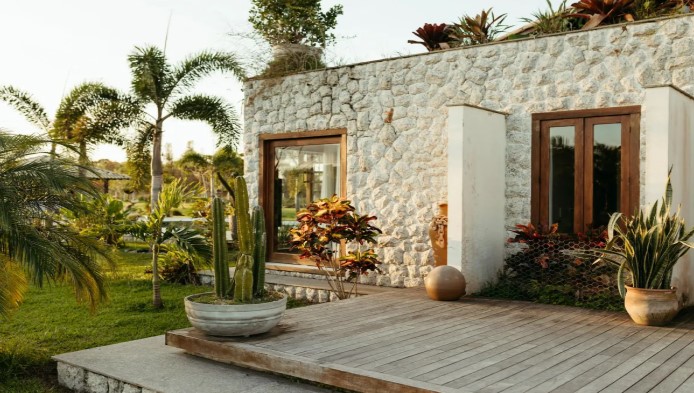
Floating Decks: A detached or floating deck isn’t directly connected to your home and can be placed anywhere in your yard, optimizing space and providing flexibility in positioning and design. Because they don’t require a ledger board connection to your house, floating decks can be tucked into the most scenic or shaded part of your garden, serving as a private “island” retreat. They are also an excellent DIY-friendly or cost-effective option for small yards with uneven terrain.
Raised Decks: Construct a raised deck that aligns with your home’s interior floor level to provide a seamless transition between indoor and outdoor spaces, giving the impression of a larger, connected living area. When your indoor flooring and outdoor decking sit at the same height, the eye doesn’t perceive a boundary, effectively making your living room feel twice as large. Additionally, the area beneath a raised deck can be utilized for discreet storage or even a secondary shaded patio, doubling your functional square footage.
Balcony Decks: Transform a narrow balcony or porch into an attractive and functional outdoor living space by incorporating a deck that extends your indoor living area outward. For urban dwellers or those with limited acreage, a balcony deck provides a vital breath of fresh air. By using vertical elements like built-in planters or tall privacy screens, you can create a secluded sanctuary that feels miles away from the neighbors, even in a densely populated area.
Selecting Suitable Materials and Colors: Balancing Durability, Aesthetics, and Maintenance
When designing a small deck, choose high-quality and low-maintenance materials that offer durability and aesthetics with minimal upkeep. Consider these options:
Composite Decking: Trex decks, made from composite materials, provide an attractive, durable, and low-maintenance option for small decks. These materials mimic the natural appearance of wood without the risk of warping or rotting and require minimal maintenance. In a compact space, every board is under close scrutiny; composite materials provide a sleek, uniform look that remains flawless year after year. If you are looking to maximize a smaller footprint, utilizing professional trex decking services in Bucks County makes sure that your installation is handled with the precision required for tight spaces. Because they don’t require the bulky equipment needed for frequent sanding and staining, they are the perfect choice for tight areas where maintenance access might be limited.
Responsibly-Sourced Wood: Opt for FSC-certified or responsibly-sourced wood to ensure an eco-friendly and sustainable deck. Hardwood options such as ipe or teak offer a luxurious appearance and are resistant to weather and wear, making them ideal for long-lasting small decks. These dense hardwoods bring an organic warmth to a small footprint, creating a high-end “boutique” feel. While they require a bit more attention than composite, their natural oils help them stand up to the elements, ensuring your intimate retreat remains a solid investment for decades.
Colors and Textures: Select colors and textures that complement your home’s exterior and create a cohesive look. Light colors can make your small deck feel more spacious, while textured materials add visual interest and reduce the risk of slipping. Using a light gray or soft tan board can reflect more sunlight, brightening up a small yard and preventing the space from feeling “boxed in.” Additionally, choosing a board with a variegated grain pattern can add a sense of luxury and movement, making even the most modest deck feel like a carefully curated architectural feature of your home.
Incorporating Space-Saving and Multifunctional Features: Enhancing Functionality and Visual Appeal
Maximize the usability of your small deck through creative design elements and space-saving features, including:
Built-In Seating: Integrate built-in seating around the perimeter of your deck or along with raised planters to optimize space and provide functional seating options without cluttering the area with additional furniture. By using the railing system as a backrest for integrated benches, you reclaim several square feet of floor space that would otherwise be lost to bulky chair legs. This “perimeter-first” approach keeps the center of your deck open and airy, making it much easier to move around during social gatherings.
Storage Solutions: Consider incorporating hidden storage compartments within benches or utilizing the space underneath your deck for stowing cushions, gardening tools, or other outdoor essentials. In a small outdoor area, clutter is the enemy of relaxation. Utilizing “dead space” for storage ensures that your deck remains a clean, organized sanctuary. For raised decks, adding a lattice or solid skirting with a hidden access door can turn an unused under-deck area into a weather-protected shed for bulky items like lawnmowers or seasonal decor.
Fold-Out or Modular Furniture: Invest in collapsible or modular outdoor furniture that can be easily rearranged, stored, or tailored to your current needs, providing versatility and adaptability in your small outdoor space. Pieces like “Murphy-style” bars that fold down from the side of the house or nesting tables allow you to switch from a morning yoga spot to a full dining area in seconds. This flexibility is the secret to making a tiny deck feel like a high-performance, multi-room environment.
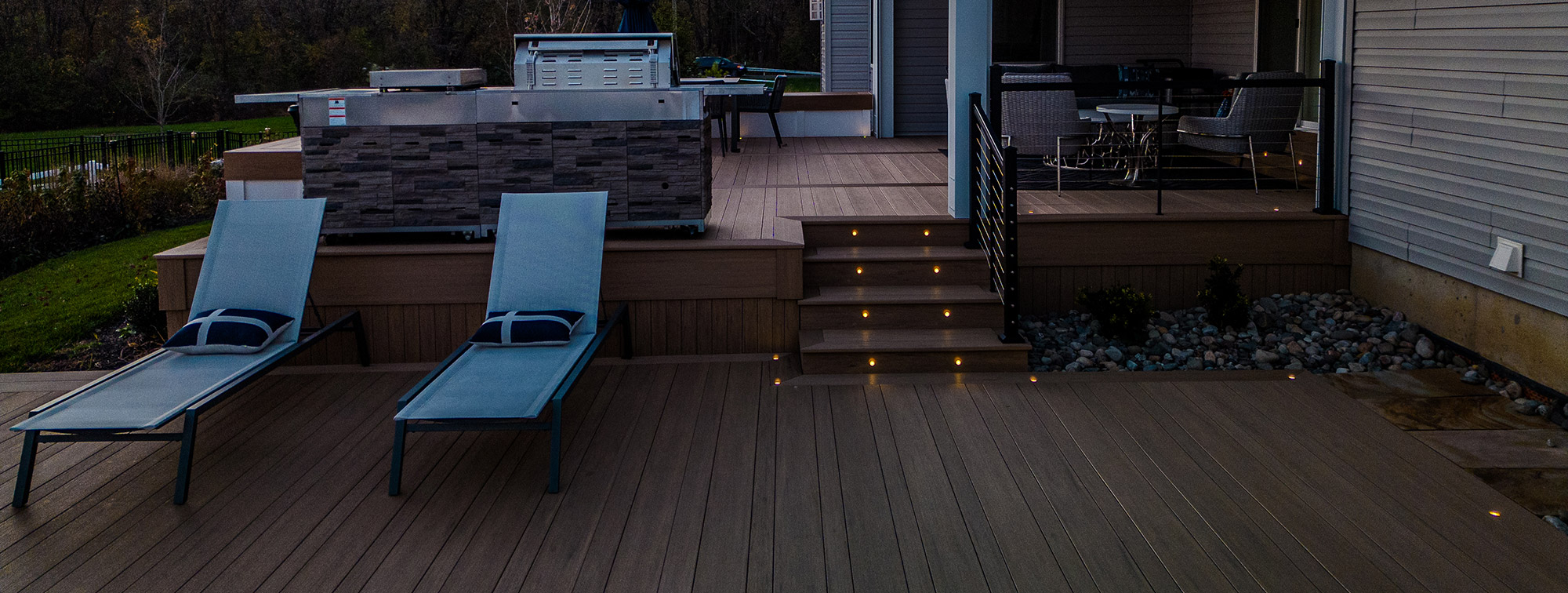
Multilevel Design Elements: Create visual interest and subtle delineation of functional areas in your small deck by incorporating multilevel design elements such as raised planters or multi-tiered seating platforms. Even a single step-up can psychologically separate a “dining room” from a “lounging area,” making the overall footprint feel significantly more expansive. These elevation changes also provide natural spots for recessed lighting, which adds a layer of safety and high-end ambiance without taking up any precious surface area.
Utilizing Vertical Design Elements: Creating a Sense of Space and Expanding Visual Boundaries
Draw the eye upward and create a feeling of spaciousness in your small deck by incorporating vertical design elements:
High Planters and Vertical Gardens: Position tall, narrow planters around your deck’s perimeter or create a vertical garden on an adjacent wall to accentuate height and add greenery without encroaching on valuable floor space.
Decorative Privacy Screens: Install privacy screens or trellises that extend vertically, providing seclusion and a canvas for climbing plants or decorative elements such as string lights, outdoor wall art, or hanging decor.
Pergolas and Shade Structures: Consider constructing a pergola or shade structure over your small deck, adding height and providing shelter from the elements. Integrate climbing plants, hanging planters, or outdoor lighting to enhance the vertical design element further.
Conclusion:
Designing and constructing a deck for a small space can be an exciting and rewarding project that transforms your limited outdoor area into a stylish, functional, and enjoyable oasis. By choosing the right layout, incorporating space-saving and multifunctional features, and partnering with an experienced and reliable deck contractor in Philadelphia, you can optimize your small outdoor space while creating a comfortable and inviting outdoor living area. Trust Expert General Contracting’s skilled team to guide you through every stage of the deck design, planning, and construction process, ensuring your small outdoor space becomes a beautiful and practical haven. Contact us today to start planning your deck project and watch as we bring your outdoor living vision to life.
Blog Updated February 10, 2026