
Building a high-end composite deck is a significant investment in your home’s value and your quality of life. When you transition from the dreaming phase to the estimation phase, the quality of the questions you ask will directly correlate to the quality of the final product. A Trex deck, known for its longevity and low maintenance, requires a specific set of skills and a clear understanding of composite engineering.
To guarantee your project runs smoothly, use this detailed guide to navigate the estimation process. If you are looking for local expertise, you can contact a specialized deck contractor in New Hope. We have expanded on the essential pillars of a professional deck consultation to help you reach a deep understanding of what your investment truly covers.
Defining the Scope: What’s Included in the Estimate?
The most common pitfall in home improvement is the “hidden cost” that emerges halfway through construction. A professional Trex estimate should never be a single lump sum scribbled on a notepad; it should be an itemized roadmap. When reviewing your quote, look for specific line items regarding the demolition of an existing structure, the grading of the land beneath the deck, and the specific series of Trex being used.
- Complete Breakdowns: Make the estimate covers design fees, local permit costs, labor, all raw materials (including the sub-structure), and post-construction cleanup.
- Debris Management: Ask specifically about the removal of old materials. Trex projects often replace old wood decks; confirm if a dumpster rental and haul-away fees are included or if those will appear as a separate “surprise” charge.
- Comparison Strategy: Having a clear breakdown allows you to compare “apples to apples” when looking at multiple contractors. If one bid is significantly lower, you may find they left out essential elements like site restoration or high-quality fasteners.
Legal and Administrative Clarity: Permits and Regulations
Building a deck is not just a carpentry task; it is a structural modification to your property that is governed by local building codes. In many jurisdictions, a deck over a certain height or size requires a stamped architectural drawing and multiple inspections.
- Responsibility for Filing: Confirm whether the contractor will act as your agent with the local building department. A reputable contractor usually handles the filing, as they are the ones who must answer the inspector’s technical questions regarding joist spacing and footing depth.
- The Danger of Skipping Permits: If a contractor suggests building without a permit to “save money,” consider this a major red flag. Unpermitted decks can lead to heavy fines, issues when selling your home, or even a forced teardown if the structure doesn’t meet safety codes.
- Zoning and HOA: Beyond city permits, ask if they have experience working with Homeowners Associations (HOAs). They may need to provide specific material samples or color swatches to your board for approval before the first board is laid.
Material Specifics: Navigating the Trex Product Line
Not all Trex is created equal. The brand offers several distinct tiers—such as Trex Signature®, Trex Transcend® Lineage™, Trex Transcend®, Trex Select®, and Trex Enhance®. Each tier carries a different price point and performance profile.
- Performance Features: Inquire about the specific resistance levels of the proposed line. For instance, the Transcend line offers superior scratch resistance and a more realistic wood grain than the entry-level Enhance line.
- Thermal Considerations: If your deck will be in direct sunlight, ask about the “Lineage” or newer heat-mitigating technologies. These boards are designed to stay cooler underfoot compared to traditional composites.
- Color and Texture: Ask to see physical “hand samples” rather than relying on a digital brochure. Seeing the color in the actual light of your backyard is the only way to make sure the aesthetic matches your home’s exterior.
The Art of the Build: Customization and Aesthetics
One of the primary reasons homeowners choose Trex is the ability to create a bespoke outdoor living space. Experienced composite deck builders in Philadelphia often specialize in rooftop decks or multi-level urban designs that maximize small footprints.
- Integrated Features: Ask about built-in benches, planter boxes, or even “cocktail rails”—a flat top rail wide enough to hold a drink.
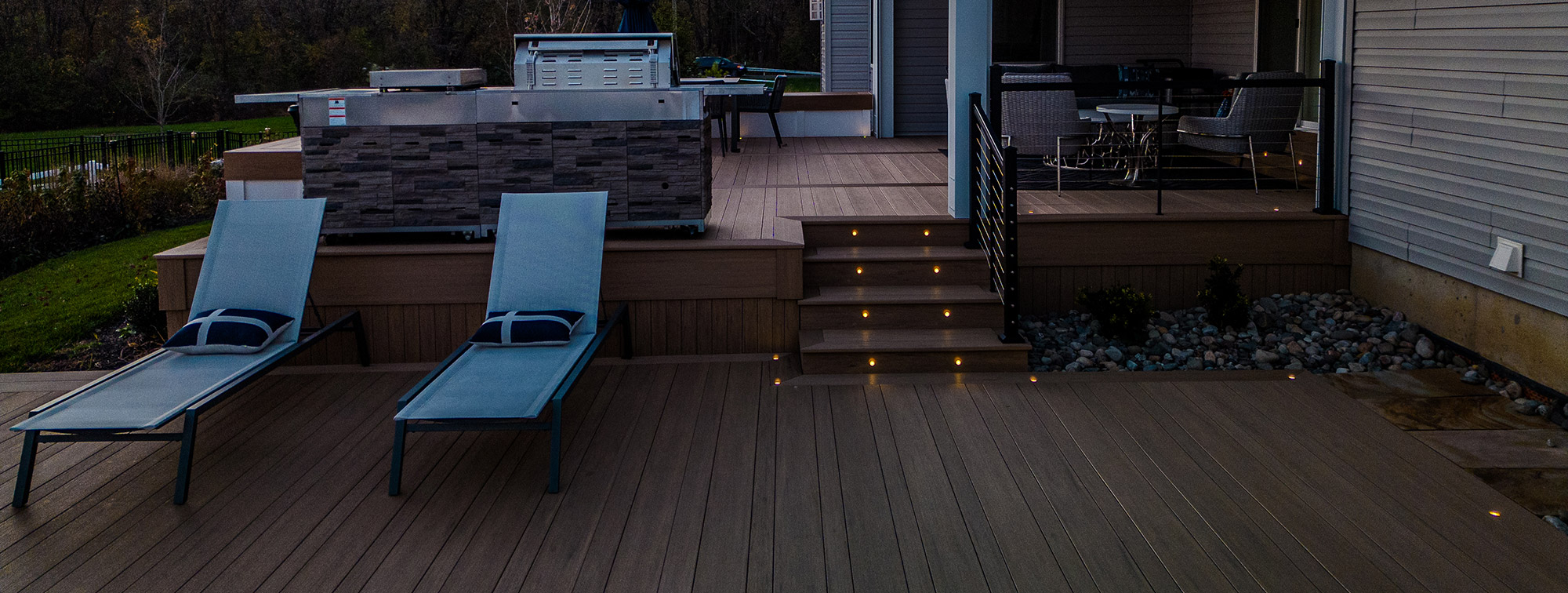
- Lighting Systems: Trex offers integrated LED lighting for post caps, stairs, and puck lights for the deck boards themselves. Asking about lighting during the estimate is vital because the wiring must be integrated into the frame before the decking is installed.
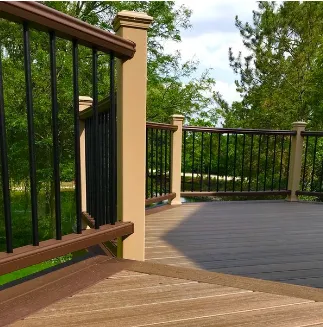
- Railing Styles: The railing often defines the “look” of the deck more than the floorboards. Discuss options like glass slats for an unobstructed view, or black aluminum balusters for a sleek, modern silhouette.
Timeframes and Logistics: Managing Expectations
A deck project can turn your backyard into a construction zone for several weeks. Understanding the rhythm of the work will help you plan your life around the noise and activity.
- The Realistic Schedule: Request a timeline that accounts for every phase: pier digging and concrete curing, framing, decking installation, and railing finish-work.
- Weather Contingencies: Ask how they handle rain delays. A professional crew will have a policy for protecting the open site and communicating schedule shifts due to inclement weather.
- Seasonality: Be aware that the “peak season” for decking (Spring and Summer) often leads to longer lead times. Getting an estimate in late Autumn or Winter can often secure you a better spot on the spring calendar.
Quality Assurance: References and Risk Management
Trust is the most important component of any contract. You are hiring a team to work on your primary asset—your home. This requires rigorous vetting of their history and their legal standing.
- The Portfolio Review: Ask for photos of projects that are at least 3–5 years old. New decks always look great, but seeing how a contractor’s work holds up after several winters will tell you the true story of their craftsmanship.
- Insurance and Bonding: Never hire a contractor who cannot provide a current Certificate of Insurance (COI). This protects you if a worker is injured on your property or if your home is accidentally damaged during the build.
- Warranty Nuance: Trex provides a robust manufacturer’s warranty on the boards (often 25–50 years), but this does not cover labor if the boards were installed incorrectly. Ask your contractor if they offer a separate “labor warranty” or “workmanship guarantee” to cover their specific installation.
Financial Structure: Payments and Flexibility
Finally, the way a contractor handles money is a direct reflection of their business health. Clear financial boundaries protect both parties and confirm the project moves forward at a steady pace.
- Milestone Payments: A standard practice involves a deposit (to secure your spot and order materials), a payment upon the start of framing, and a final payment only after the city inspection is passed and the “punch list” of small fixes is completed.
- Change Orders: Ask how they handle mid-project changes. If you decide to add a set of stairs halfway through, how is that cost calculated? Having a formal “Change Order” process prevents disputes at the end of the job.
By addressing these details upfront, you shift the conversation from a simple price quote to a full project plan. A Trex deck is a long-term investment in your home’s value and your daily enjoyment; checking that your contractor has the vision, legal standing, and technical expertise to execute that investment is the most critical part of the process. Taking the time to vet these areas now will pay dividends in the form of a smooth construction process and a stunning, durable outdoor space that your family will enjoy for decades to come. Contact us today for answers to all of your decking questions.
Blog Updated February 10, 2026