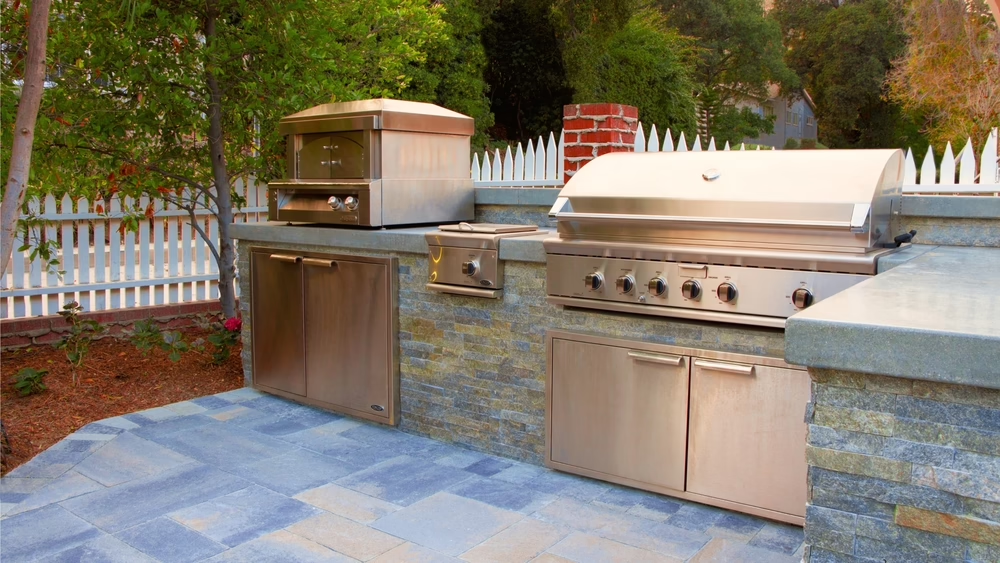

Building an outdoor kitchen transforms a standard backyard into a highly functional entertainment hub for family and friends. When considering how to design an outdoor kitchen, homeowners across the United States invest heavily in these outdoor living spaces to maximize their property value. Planning these backyard kitchen ideas requires careful attention to spatial layout, durable materials, and proper utility integration.
Extending your home footprint outside creates new opportunities for hosting large neighborhood gatherings and intimate dinners. A well-constructed exterior cooking station prevents the host from running back and forth into the main house. You keep the mess, the smoke, and the heavy cooking odors completely outside of your primary residence.
Every successful construction project begins with a clear understanding of the available footprint and financial parameters. You must measure the designated patio area to determine exactly how much room accommodates cabinetry and appliances. A sprawling suburban lawn supports a massive U-shaped setup, while an urban courtyard requires a compact linear design.
Establishing a realistic financial budget early in the planning phase prevents expensive surprises during the installation process.
Factoring in hidden costs protects your wallet from unexpected overages during the final stages of construction. Excavation work, plumbing permits, and specialized electrical outlets add thousands of dollars to the initial estimate. Professional installation labor typically accounts for nearly thirty percent of the total financial expenditure for the project.
How Do You Design an Efficient Outdoor Kitchen Layout for Your Yard?
The physical arrangement of your cooking equipment directly impacts how efficiently you prepare meals outside. Professional designers rely on established configurations to maximize workflow and minimize unnecessary movement during food preparation. You should select an outdoor kitchen layout that matches your specific cooking habits and the physical constraints of your patio.
Linear kitchens work exceptionally well against existing exterior walls or along the perimeter of small decks. This straight-line approach keeps all grilling, washing, and cooling stations within immediate reach of the chef. You save considerable money on utility trenching because everything sits closely together in one concentrated cooking zone.
An L-shaped configuration provides separate zones for cooking and socializing without isolating the host from guests. This layout naturally divides the hot grill section from the chilled beverage station and seating area. Many homeowners add raised bar counters to the outer edge to create a dedicated, comfortable dining space.
The classic work triangle applies outside, too. Keep your grill, sink, and refrigerator relatively close together to minimize walking while you cook.
U-shaped designs offer the maximum amount of counter space and appliance storage for serious culinary enthusiasts. This sprawling configuration easily accommodates multiple cooks working simultaneously during large holiday parties or weekend events. You will need a massive patio footprint to comfortably house this expansive, freestanding architectural feature.
Select Highly Durable and Weather-Resistant Outdoor Kitchen Materials
Exterior cooking stations face constant exposure to intense sunlight, heavy rain, and extreme temperature fluctuations year-round. Selecting weather-resistant materials prevents premature decay and reduces the time you spend on seasonal maintenance tasks. Your material choices dictate both the visual appeal and the structural longevity of the entire design of your outdoor kitchen in Horsham.
Choosing the Best Framing and Outdoor Kitchen Cabinets Options
Traditional wood framing rots quickly unless you build the structure entirely from premium pressure-treated lumber or teak. Modern contractors prefer constructing the internal skeleton from welded aluminum tubing or concrete blocks for maximum stability when building a grill island. These sturdy, non-combustible frameworks easily support heavy stone countertops and safely house high-output gas grilling appliances.
Stainless steel and marine-grade polymer are the most reliable options for outdoor kitchen cabinets, doors, and drawers. Stainless steel resists rust effectively, provided you purchase 304-grade metal and clean the surfaces regularly. High-density polyethylene boards offer a colorful alternative that never requires painting and completely resists water absorption.
Masonry block construction provides a permanent, incredibly sturdy foundation that withstands hurricane-force winds and heavy impacts. Builders apply stone veneer or stucco directly to the block to match the exterior of your house. This traditional building method requires a reinforced concrete slab to support the immense weight of the blocks.
Installing Weather-Resistant Outdoor Kitchen Countertops
Granite remains the best option for outdoor kitchen countertops because the dense stone resists staining and bacterial growth. You must seal the granite annually, but it withstands direct sunlight without fading or cracking over time. Quartz surfaces perform poorly outdoors because ultraviolet light breaks down the binding resins and discolors the finish.
Concrete countertops offer a highly customizable aesthetic that fits perfectly into industrial or modern backyard designs. Installers can tint the concrete to match your patio pavers or stamp patterns directly into the surface. However, concrete requires frequent chemical sealing to prevent moisture penetration and subsequent structural cracking during winter freezes.
Soapstone provides a naturally non-porous surface that ignores acidic spills from citrus juices and tomato sauces. The dark stone absorbs heat from the sun, which helps melt snow quickly during the winter months. You can apply mineral oil periodically to darken the stone and highlight the natural white veining.
Selecting High-Performance Outdoor Kitchen Appliances and Utilities
The grill acts as the functional centerpiece of any outdoor cooking space and demands careful consideration. You must decide between the convenience of natural gas, the high heat of propane, or the flavor of charcoal. A built-in gas grill requires permanent utility lines, while a freestanding ceramic cooker offers more placement flexibility.
Adding a dedicated sink and a compact refrigerator elevates the space from a simple grill island to a complete backyard kitchen. Having running water outside allows you to wash vegetables and clean utensils without constantly running back inside. Refrigerators keep raw meats at safe temperatures and provide guests with easy access to cold beverages.
Specialty outdoor kitchen appliances like wood-fired pizza ovens and dedicated ice makers introduce luxury elements to your backyard. A high-quality pizza oven reaches temperatures exceeding eight hundred degrees to cook authentic Neapolitan pies in minutes. Side burners give you a place to boil corn or simmer barbecue sauces without leaving the grill.
Utility integration generally represents the most complex and expensive phase of building an exterior kitchen from scratch. Plumbers and electricians must run water, gas, and electrical lines before you pour the concrete patio foundation.
Step-by-Step Guide: How to Plan the Backyard Kitchen Utility Installation
- Map the Utility Lines: Identify exactly where your existing gas, water, and electrical lines exit your primary residence.
- Hire Licensed Professionals: Contract certified plumbers and electricians to run the necessary pipes and wires safely underground.
- Secure Local Permits: Submit your finalized utility blueprints to your local municipal building department for official approval.
Incorporate Lighting and Essential Patio Kitchen Comfort Elements
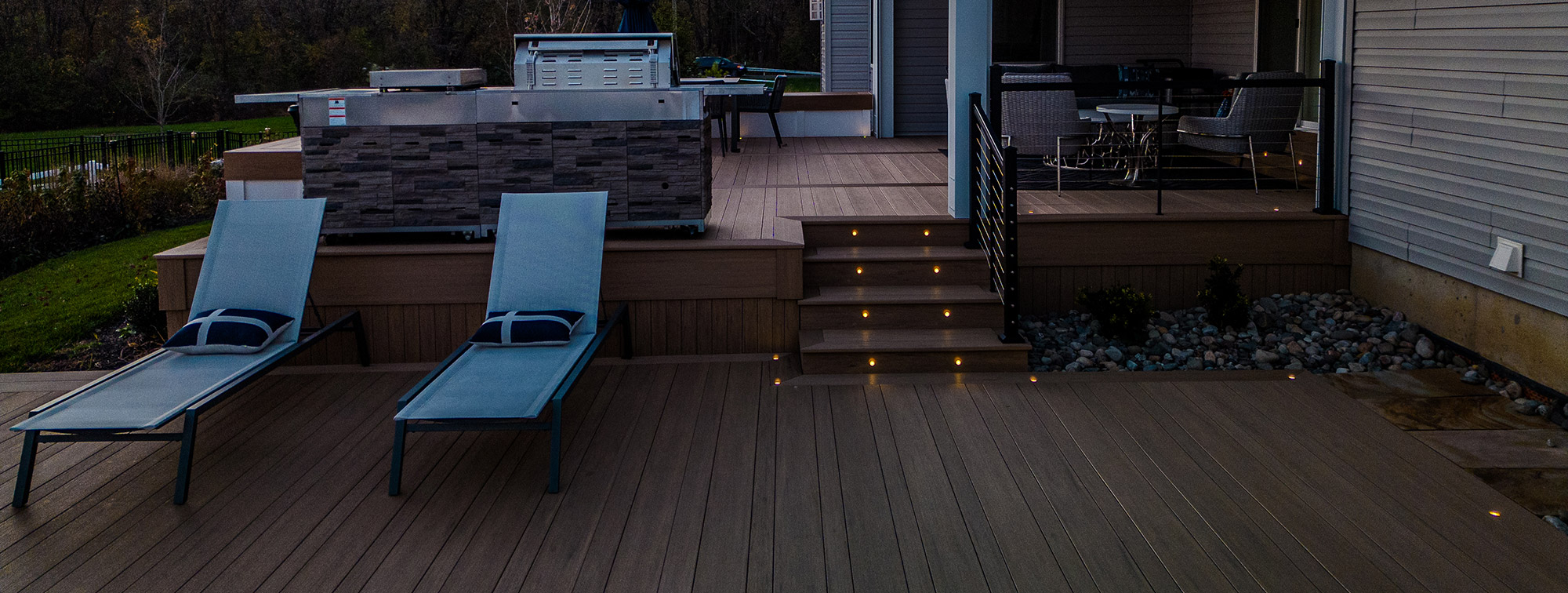
Cooking meals after sunset requires strategic artificial illumination to keep the chef safe and the guests comfortable. You should install bright task lighting directly above the grill grates to monitor food temperatures accurately. Ambient lighting under the outdoor kitchen countertops and along the baseboards creates a welcoming atmosphere for evening gatherings.
Do you want to use your exterior kitchen during the hot summer afternoons or chilly autumn nights? Installing a sturdy pergola provides essential shade for the chef while defining the architectural boundaries of the space. Adding an outdoor fireplace or patio heaters extends the usability of your investment well into the colder months.
Comfortable seating arrangements require just as much careful thought as the primary cooking zone itself. Bar stools pulled up to a raised counter encourage conversation between the host and the visitors. For larger gatherings, place a complete dining table a few feet away to separate the eating area from the smoke.
Overhead ceiling fans keep the air circulating and help push bothersome flying insects away from the food. Installing an integrated sound system lets you play background music without relying on small, portable Bluetooth speakers. These minor technological additions dramatically improve the overall comfort level for everyone attending your weekend backyard barbecue.
How to Maintain Your Outdoor Living Space and Cooking Area
Protecting your financial investment requires a consistent, dedicated maintenance schedule throughout the changing seasons of the year. You should invest in heavy-duty, waterproof covers for all appliances to shield them from pollen and precipitation. Shutting off the external water supply and draining the pipes prevents catastrophic bursts during freezing winter conditions.
Cleaning the grill grates and emptying the grease traps after every use deters local wildlife from visiting your patio. Stainless steel surfaces need regular polishing with specialized cleaners to remove corrosive salt and acidic food residue. Proper preventative care guarantees your exterior cooking station remains fully functional and visually appealing for several decades.
Inspect the masonry and grout lines annually for any small cracks caused by ground settling or frost heave. Sealing these tiny fissures immediately stops water from penetrating the structure and causing severe internal damage. Keeping the surrounding shrubs and tree branches trimmed prevents debris from accumulating behind the hot cooking appliances.
Conclusion
Designing an outdoor kitchen in Bucks County is a substantial project that significantly improves how you entertain at home. By accurately measuring your space and selecting resilient materials, you create a cooking area that withstands harsh weather. Are you finally ready to start sketching out the perfect outdoor kitchen plans for your backyard patio space?
Thoughtful utility planning and smart appliance selection transform a simple grill into a fully independent culinary center. You can schedule a consultation with a local exterior designer to finalize your blueprints and acquire permits. With proper execution, your new outdoor living space will host memorable gatherings for many years to come. Contact Expert General Contracting today to get started.