
Expanding your pool deck maximizes outdoor functionality, offering more room to relax and entertain guests while boosting your home’s overall value. Transforming a cramped layout into a spacious gathering place requires a clear plan to smoothly blend the new square footage with your existing setup for optimal safety and aesthetic harmony. Before purchasing any materials, it is vital to inspect your current deck for structural integrity, check the ledger flashing, and poke the posts and joists with a screwdriver to make sure dangerous wood rot hasn’t taken hold.
A stable, long-lasting extension depends entirely on the condition of your existing framework and the ground beneath it. You must analyze the local soil stability, compaction, and drainage patterns to make sure that water will not pool around your support posts or crack the concrete piers. Navigating these environmental variables is a critical first step, and the team at Expert General Contracting specializes in assessing these foundational elements to guarantee a perfectly level, trip-free transition before construction begins.
Strategic Design: Planning Your Pool Deck Extension
Creating deck plans helps you visualize the final result and calculate material costs accurately before breaking ground. You need to decide if you want the new section to sit completely flush with the main deck for a smooth transition. A flush addition requires extremely precise measurements to match the current elevation perfectly, which can be challenging if the ground is uneven.
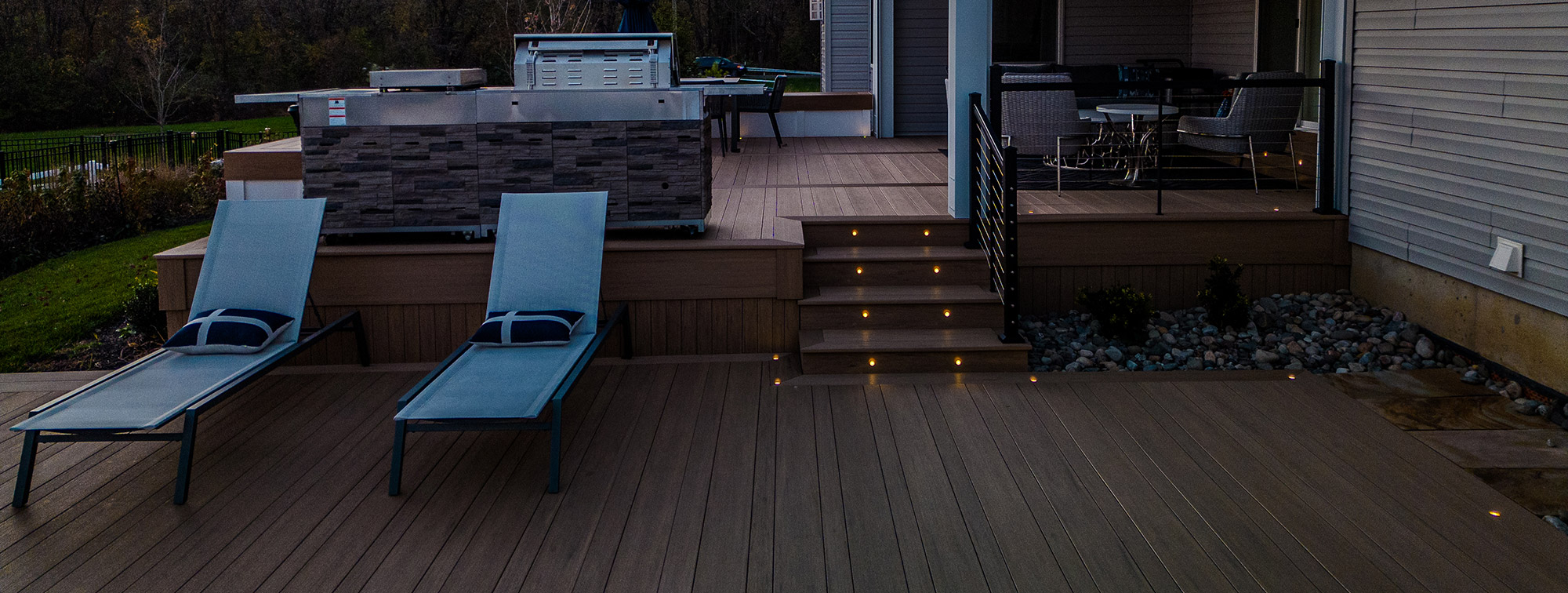
Alternatively, building a multi-level deck creates distinct zones for dining and casual lounging, adding visual interest to your backyard deck design. Stepping down to a lower ground-level platform breaks up a massive expanse of wood visually and provides a more intimate atmosphere. This design choice can also help define different functional areas, such as a dedicated space for sunbathing and another for shaded dining. By varying the heights, you create a dynamic landscape that feels sophisticated and custom-built.
This multi-level approach also solves frustrating alignment problems if the original deck has settled over time, making a perfectly level connection nearly impossible. Consider the flow of foot traffic around the active swimming pool area to make sure that guests can move freely without creating bottlenecks. You want clear pathways that prevent wet swimmers from slipping near your lounge chairs or tripping over decorative planters.
Engineering Standards: Structural Requirements and Foundations
A reliable deck build starts deep in the soil with proper structural supports that can withstand the weight of water, heavy furniture, and people. You will need to dig holes and pour a solid concrete footing for each new post to achieve long-term stability. Frost lines dictate exactly how deep these holes must go in your specific geographic region to prevent the ground from heaving during winter. Once the concrete cures, you can install the new support posts and attach the heavy beams that will carry the weight of the structure.
Use pressure-treated lumber for all structural components, including the deck joists, to prevent premature decay and expensive failures. Connecting the two structures requires careful engineering to prevent dangerous pool deck separation over time as the wood expands and contracts. You must use proper hardware like a heavy-duty deck anchor to secure the sections together for a permanent, safe bond.
Contractors often use specialized structural brackets to attach the deck firmly to the house or the existing deck frame. In many cases, reinforcing the connection involves adding sistered joists to the older wooden frame to provide extra surface area for fasteners. This technique bolsters the overall load-bearing capacity right where the two platforms meet, securing a smooth and safe transition for everyone. You might also need extra posts near the seam to safely support deck weight and heavy furniture like large dining sets.
Structural Requirements At-A-Glance
- Standard Joists (16″ on center): Prevents standard deck boards from sagging under normal foot traffic.
- Heavy-Load Joists (12″ on center): Supports dense structural loads like hot tubs or outdoor kitchens.
- Support Posts (4×4 or 6×6): Robust pressure-treated timber that transfers load from beams down to foundations.
- Hardware (Galvanized/Stainless): High-grade fasteners designed to resist corrosion from moisture and pool chemicals.
Additionally, consider the type of fasteners you use for the framing, as standard nails can pull out over time due to wood movement. Structural screws are preferred for their superior holding power and resistance to the corrosive effects of pressure-treated chemicals. Make sure that all hardware is hot-dipped galvanized or stainless steel to withstand constant exposure to pool chemicals and moisture. Navigating these complex mechanical requirements is a core aspect of professional residential building; utilizing licensed construction expertise makes sure your subframe complies fully with local safety codes.
Project Execution: A Step-by-Step Guide to Extension
If you are ready to start construction, following a structured guide will guarantee that you do not miss any critical safety details:
- Layout and Excavation: Mark the perimeter of your new deck area using stakes and string to visualize the footprint. Dig your footing holes according to local codes, making sure they reach below the frost line for stability against seasonal shifts.
- Post Installation: After pouring the concrete and letting it set, install your post bases and vertical pressure-treated support posts.
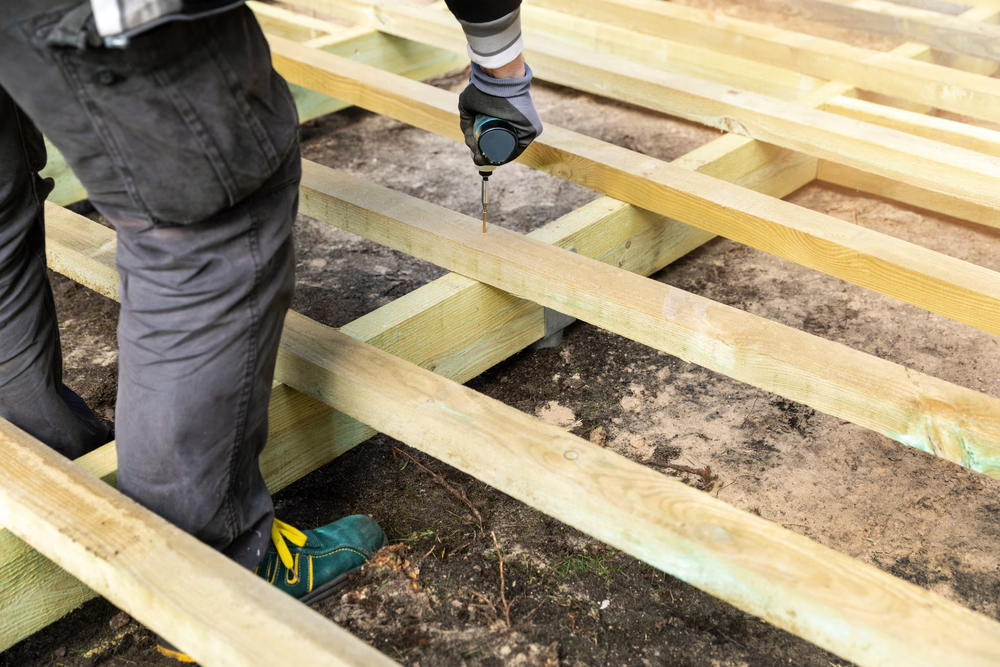
- Framing the Deck: Once the posts are plumb, install the beams and begin framing by attaching the joists at the required intervals. This phase requires constant checking with a level to make sure the final surface is flat.
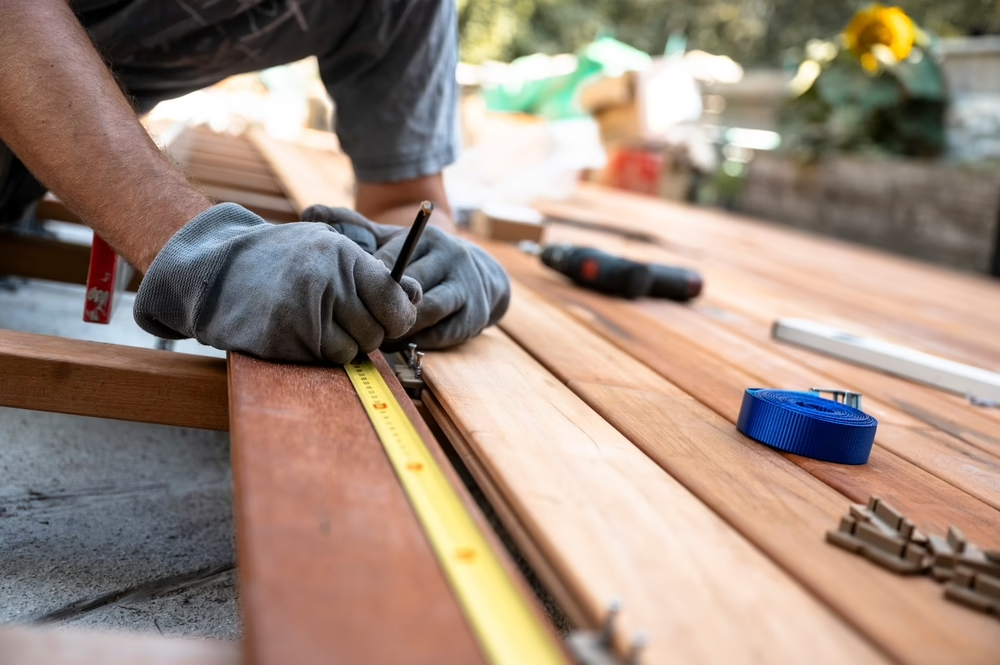
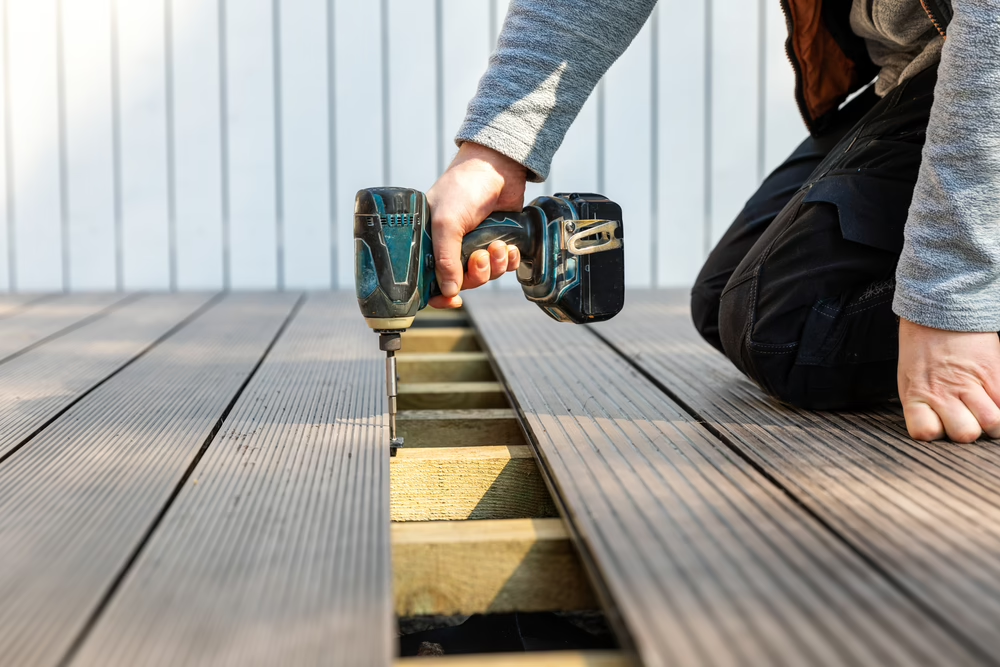
- Surface Installation: Lay each deck board carefully, using appropriate spacing to allow for water drainage and natural expansion during hot summer months.
- Finishing Touches: Install any necessary railings, stairs, or deck-mounted accessories like lighting to complete your outdoor space. Apply a high-quality sealant to any cut ends of pressure-treated lumber.
The installation of the decking boards should begin from the outside edge and work toward the existing structure to achieve a clean finish. If you encounter obstacles like pool equipment or pipes, take the time to notch the boards precisely for a professional appearance. Using a chalk line will help you keep your rows of screws or fasteners perfectly straight, which significantly impacts the visual quality of the project. As you approach the transition point between the old and new deck, you may need to trim the final boards to fit snugly.
The final touches involve installing a railing system that meets local safety codes, which usually require a specific height and spindle spacing. Choose a railing style that complements the decking material, such as aluminum balusters for a modern look or classic wood for a traditional feel. Once the construction is finished, clear away all debris and perform a final safety check of all fasteners and connections.
Premium Materials: Choosing the Right Deck Board
Choosing the right decking material directly impacts your pool area’s style and long-term maintenance needs. While traditional pressure-treated wood is common, pool environments demand surfaces that can handle constant moisture and heavy foot traffic.
Here is how the top premium material options compare:
Composite Decking
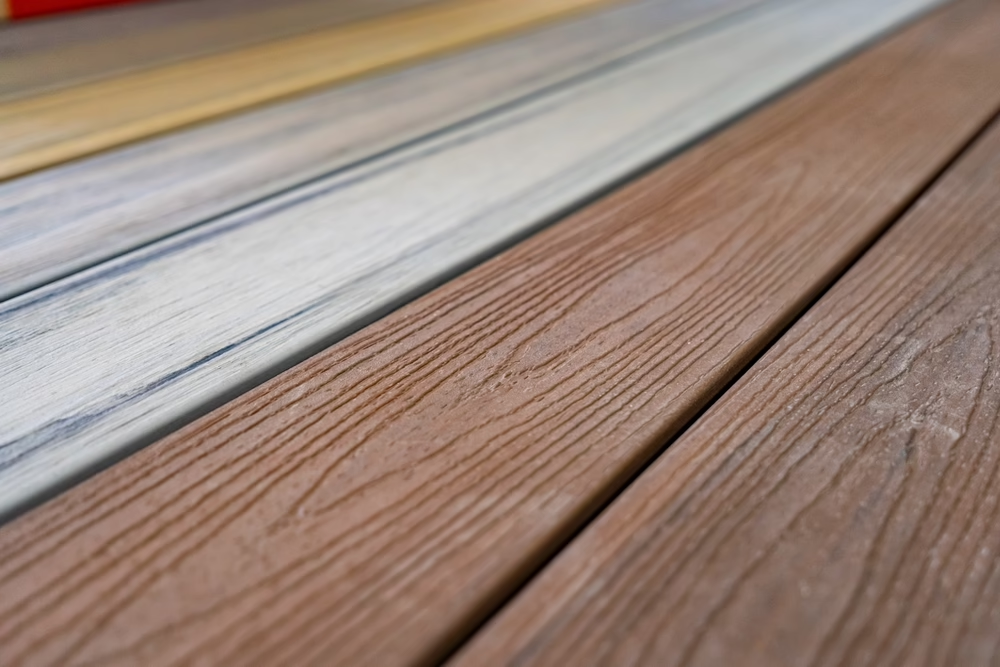
Many homeowners choose composite decking in Philadelphia, PA because it resists rot, fading, and staining far better than traditional wood. Although the upfront cost is higher, you save time and money long-term by eliminating the need to stain or seal. Modern composites feature realistic wood grain textures and advanced cooling technology to make sure the surface stays comfortable for bare feet under the summer sun.
Natural Woods (Cedar & Redwood)
If you prefer the authentic look of real timber, cedar and redwood offer excellent natural resistance to cracks and decay. However, they do require consistent annual maintenance to prevent splintering and weather damage. Regardless of the wood type, using high-quality hidden fasteners will create a smooth, clean aesthetic that minimizes trip hazards and is easy to sweep.
PVC Decking
For maximum durability in a pool’s splash zone, 100% cellular PVC decking contains no wood fibers at all. This makes it completely impervious to mold and moisture. PVC is also exceptionally lightweight, making it easier to handle during installation.
Ultimately, your choice should balance your budget, your maintenance preferences, and your local climate. Navigating these options can be tough, but professional general contracting services can help you source premium, weather-resistant materials that match your existing architecture smoothly.
Aesthetic Longevity: Resurfacing and Long-Term Maintenance
Once your extension is complete, keeping the old and new sections visually unified is vital for a cohesive look. If your original deck looks weathered, a thorough resurfacing—including power washing, sanding down rough spots, and applying a fresh coat of matching stain—will blend the two areas perfectly while protecting your investment from UV rays and pool moisture.
To protect your deck from seasonal wear and heavy pool use, add these maintenance steps to your annual routine:
- Prevent Moisture Traps: For above-ground pools, pay close attention to where the deck meets the pool wall. Make sure there is plenty of ventilation underneath the frame to stop mold and mildew from weakening the wood.
- Keep Surfaces Safe: Replace any warping or popping boards immediately to maintain a flat walking surface. Wash the deck regularly with a deck-specific soap to remove slick algae and dirt.
- Inspect the Hardware: At the start of every swimming season, check your railings and stairs. Tighten any loose bolts and look for signs of wood-boring insects.
- Neutralize Pool Chemicals: Rinse the deck with fresh water after a busy pool day to wash away harsh chlorine or salt deposits that can erode the finish.
For natural wood decks, applying a fresh coat of UV-resistant sealer every two to three years prevents the timber from turning gray and brittle. Catching these small environmental issues early keeps your expanded outdoor space beautiful, structurally sound, and safe for your guests.
Ready to Expand Your Outdoor Oasis?
Planning and executing pool decking in Bucks County, PA requires precision engineering, proper material selection, and an eye for flawless design. If you want to make sure your outdoor renovation is safe, stunning, and built to last for decades, the team at Expert General Contracting is here to help.
Offering premium outdoor remodeling, structural engineering, and deck construction services, Expert General Contracting brings years of specialized expertise to every backyard transformation. From initial safety assessments of your existing framing to the flawless installation of modern composite surfaces, they handle the heavy lifting so you can simply relax.
Contact Expert General Contracting today to schedule a professional consultation and take the first step toward your dream backyard.