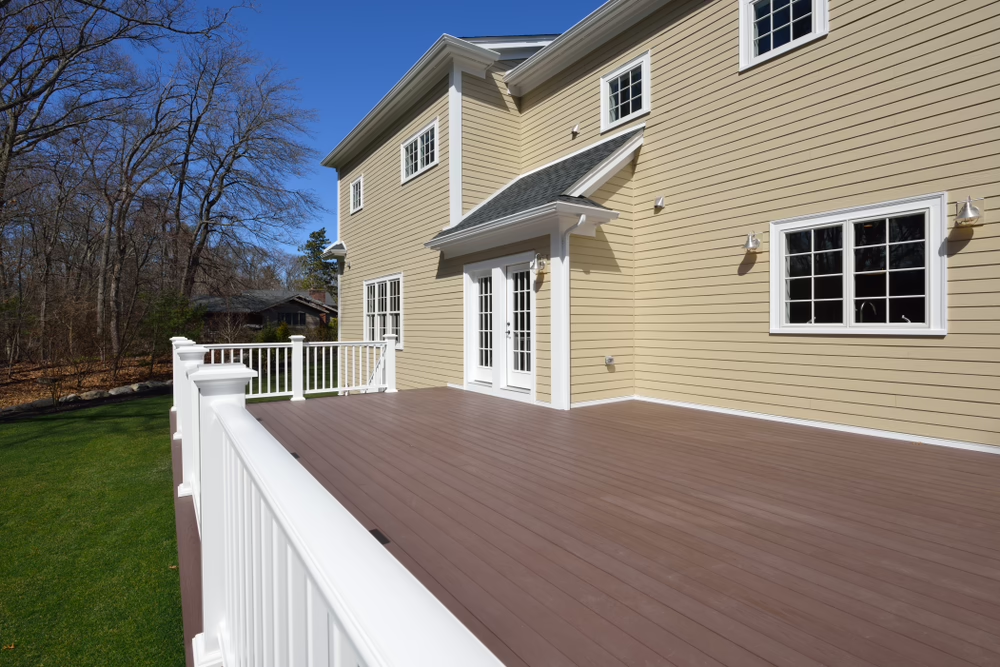

Homeowners often watch their outdoor living spaces lose vibrancy after years of exposure to the elements. You might look at your faded deck boards and wonder if a fresh coat of color could restore their original appearance.
Many homeowners who want to extend the life of their investment without a full replacement question if decks made of composite material can be painted. The sun eventually causes color changes that some people find unappealing. You do have options for restoration, but the process requires specific knowledge to achieve a lasting result.
Painting composite material is fundamentally different from painting natural wood surfaces. The plastic components in composite boards are not naturally absorbent, which makes adhesion a significant challenge for standard exterior paints.
You should approach this project with a clear understanding of your specific deck type and the correct materials. A mistake in preparation or product selection can lead to peeling paint that looks worse than the faded boards. This guide provides the necessary information to help you decide if painting is the right choice for your home.
Understanding Composite Deck Materials
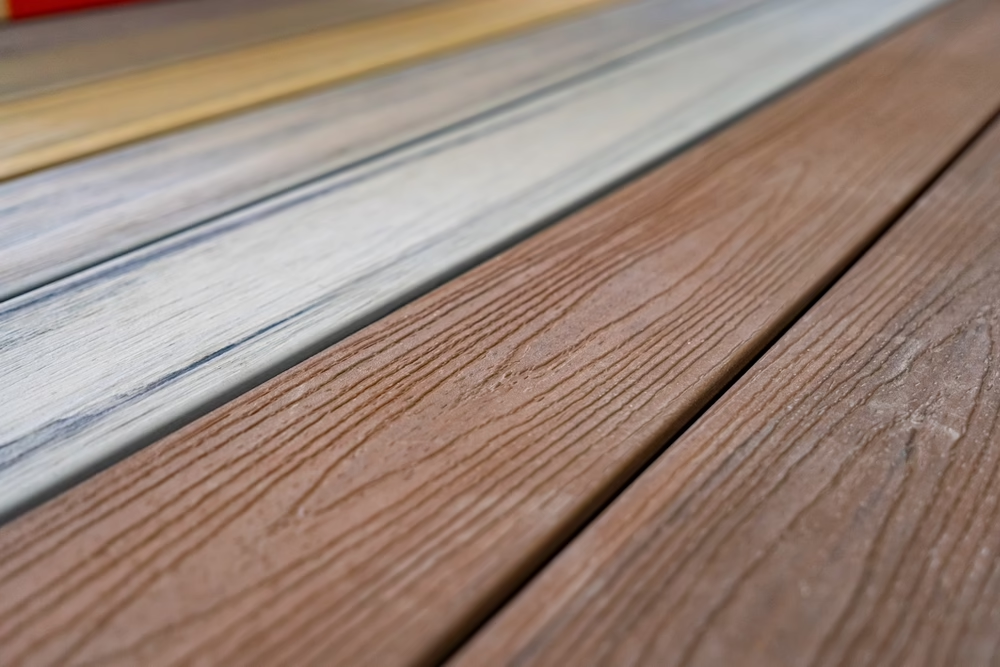
A combination of wood fibers and plastic polymers is used to create composite decking, which is designed to look like natural wood. Manufacturers create these boards to be low-maintenance and resistant to rot, insects, and splintering. However, the exact composition varies significantly between older generations and modern products, which directly impacts paintability.
Early generation composite decks, often referred to as “uncapped,” contain exposed wood fibers mixed with plastic throughout the board. These older materials tend to fade more noticeably over time as the wood fibers weather and lose their pigment. These decks typically receive paint and stains better than more recent ones because the exposed fibers make the surface slightly porous. Refinishing an older deck that has lost its initial gloss tends to be more successful.
Modern composite decking usually features a “cap” or a hard plastic shell wrapped around the core material. This cap provides superior resistance to staining and fading, but it also creates a slick, non-porous surface. Paint struggles to bond to this smooth plastic layer, increasing the risk of flaking or scratching under foot traffic. You should identify which type of decking you possess before purchasing any supplies.
Key Takeaways:
- Uncapped composite decks generally accept paint better due to their slightly porous surface texture.
- Capped composite boards have a smooth plastic shell that makes paint adhesion difficult and risky.
- Identifying your deck generation is the first critical step before attempting any refinishing work.
Major Risks and Considerations
Before you commit to painting, you must weigh the downsides that come with altering a manufactured product. Since it is difficult to remove paint from composite once it has been applied, the decision’s permanence is the most prominent consideration. Painting transforms a low-maintenance product into one that requires regular upkeep, similar to a traditional wood deck.
Peeling is the most common failure mode for painted composite decks, usually caused by improper surface preparation or incompatible products. Since the material expands and contracts with temperature changes, rigid paints can crack and separate from the surface.
To keep high-traffic areas looking consistent, you’ll probably need to touch them up once a year. This continuous work runs counterintuitive to the initial motivation for many homeowners’ decision to install composite decking.
The manufacturer’s warranty will most likely be void if you paint your composite deck. Review your warranty documents carefully to understand what coverage you are sacrificing before applying any coating.
Selecting the Right Coating Products
Choosing the correct primer and paint is the single most significant factor in the success of your project. Standard exterior wood paints often fail because they are not formulated to bond with plastic or vinyl surfaces. You need high-quality acrylic latex paint that specifically states it is suitable for composite or plastic materials.
For homeowners looking to select the right products, working with composite decking in Bucks County, PA, requires primers and paints formulated for these surfaces to achieve a durable, long-lasting finish.
Priming is Essential
You can’t skip priming when working with composite materials, as the base coat provides the necessary “teeth” for the topcoat. Look for an acrylic latex primer designed for exterior use that promotes adhesion to difficult surfaces like vinyl.
Some primers are specifically marketed as “bonding primers” and are excellent choices for capped composite surfaces. Applying a quality primer makes sure the finish coat adheres evenly and lasts longer against the elements.
Topcoat Selection
For the finish coat, a premium acrylic latex floor and porch paint offers the best balance of durability and flexibility. These paints are engineered to withstand foot traffic and weather exposure without becoming too brittle.
Avoid oil-based paints, as they can react negatively with the plastic components of the decking and take a long time to dry. A semi-gloss or satin finish usually provides easier cleaning capabilities than a flat finish.
Step-by-Step Guide to Painting Composite Decks
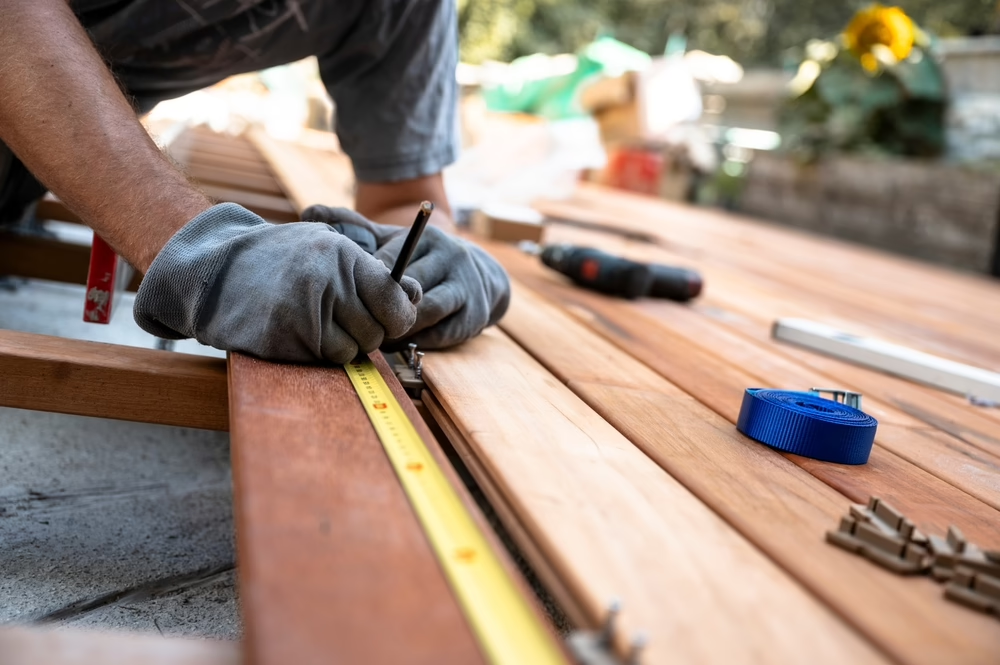
If you have determined that your deck is suitable for painting and accept the maintenance requirements, follow this process carefully. Proper execution of each step is critical to prevent future peeling or bubbling of the paint. You should check the weather forecast to confirm you have several dry days with moderate temperatures.
Clean the Surface Thoroughly
Wash the entire deck using a commercial composite deck cleaner or a mild detergent and water. Scrub vigorously with a soft-bristle brush to remove all dirt, mold, mildew, and debris.
Tip: Rinse extremely well and let the deck dry for at least 24 hours before proceeding.
Lightly Sand (For Older Composites Only)
If you have an older, uncapped composite deck, lightly scuff the surface with 220-grit sandpaper to improve adhesion. Do not sand capped composite decks, as this will destroy the protective outer shell.
Apply Bonding Primer
Roll on a high-quality acrylic latex bonding primer using a nap roller appropriate for the texture of your deck. Cover the entire surface evenly and allow it to dry completely according to the manufacturer’s instructions.
Tip: Use a brush to get primer into the gaps between boards before rolling the flat surfaces.
Apply Top Coat
Apply your chosen acrylic latex deck paint in long, even strokes following the length of the boards. Two thin coats are always better than one thick coat, so allow proper drying time between applications.
Maintenance of Painted Composite
Once you paint your deck, you must treat it differently than the original raw material. Furniture legs should have felt pads or rubber caps to prevent scratching through the paint layers. You should also avoid dragging heavy items like grills or planters across the surface, as this will almost certainly gouge the finish.
Regular cleaning becomes more delicate because power washing can strip the paint if the pressure is too high. A garden hose and a soft brush are usually sufficient for routine cleaning of painted surfaces. You should inspect the deck seasonally for any signs of lifting or chipping paint, especially in high-traffic zones. Immediate touch-ups prevent moisture from getting under the paint film and causing more extensive damage.
Key Takeaways:
- Painted composite decks require gentler cleaning methods to avoid stripping the new finish.
- Protective pads on furniture are necessary to prevent scratches that expose the original color.
- Regular inspections and quick touch-ups are essential to keep the paint job intact.
Alternatives to Painting
If the risks of painting seem too high, you might consider other ways to refresh your deck. A deep cleaning with a specialized composite deck brightener can often remove oxidation and restore some original color. This process is far less labor-intensive than painting and does not create future maintenance obligations. For those considering a more extensive update, deck installation in New Hope can be a practical alternative when painting or staining isn’t effective, providing a fresh, durable surface that requires less ongoing maintenance.
Staining is another option, particularly for older, uncapped composite decks that have become porous. High-quality acrylic stains can penetrate the surface slightly better than paint, offering a color change that looks more natural. However, you should always test a small, inconspicuous area first to verify the stain dries and adheres correctly. Capped composites generally cannot be stained, as the plastic shell prevents any absorption of the product.
In cases of severe fading or damage, replacing the worst boards might be a better long-term solution. While color matching new boards to old ones is difficult, you can sometimes harvest boards from less visible areas to use in prominent spots. Some homeowners also choose to install deck tiles over the existing surface for a completely new look without chemical applications.
Quick Guide: Painting Composite Decks
Q: Can every composite deck be painted?
Older “uncapped” boards accept paint well, but modern “capped” decks have a slick plastic shell that requires specialized bonding primers to prevent peeling.
Q: What is the best paint for composite surfaces?
Use a high-quality acrylic latex porch and floor paint formulated for plastic or vinyl; avoid oil-based paints, which fail to bond with the deck’s polymers.
Q: Will painting my deck increase the workload?
Yes, painting turns a low-maintenance deck into a high-maintenance one that requires annual touch-ups and gentler cleaning to protect the finish.
Q: Does painting void the manufacturer’s warranty?
In most cases, yes. Painting your deck will void your warranty, so check your specific coverage details before applying any coating.
Q: Why is a bonding primer necessary?
Composite is non-porous, so you need a bonding primer to give the paint “teeth” and prevent it from cracking during temperature-related expansion.
Painting Composite Decks: What You Need to Know
The answer to the question “can decks made of composite material be painted” is a cautious yes, provided you understand the limitations. It is a significant undertaking that changes the nature of your low-maintenance decking into a surface that needs regular attention. You must use the correct primers and paints to give the project a fighting chance against the elements.
If your deck is structurally sound but cosmetically tired, painting offers a way to extend its life for a few more years. Just remember that once you start painting, you are committing to a cycle of maintenance to keep it looking its best. For professional guidance and a flawless finish, contact Expert General Contracting today to discuss painting options for your composite deck.